
Other Vehicles and Exhibits
Please check back regularly as this section is updated to reflect the full museum collection.
-
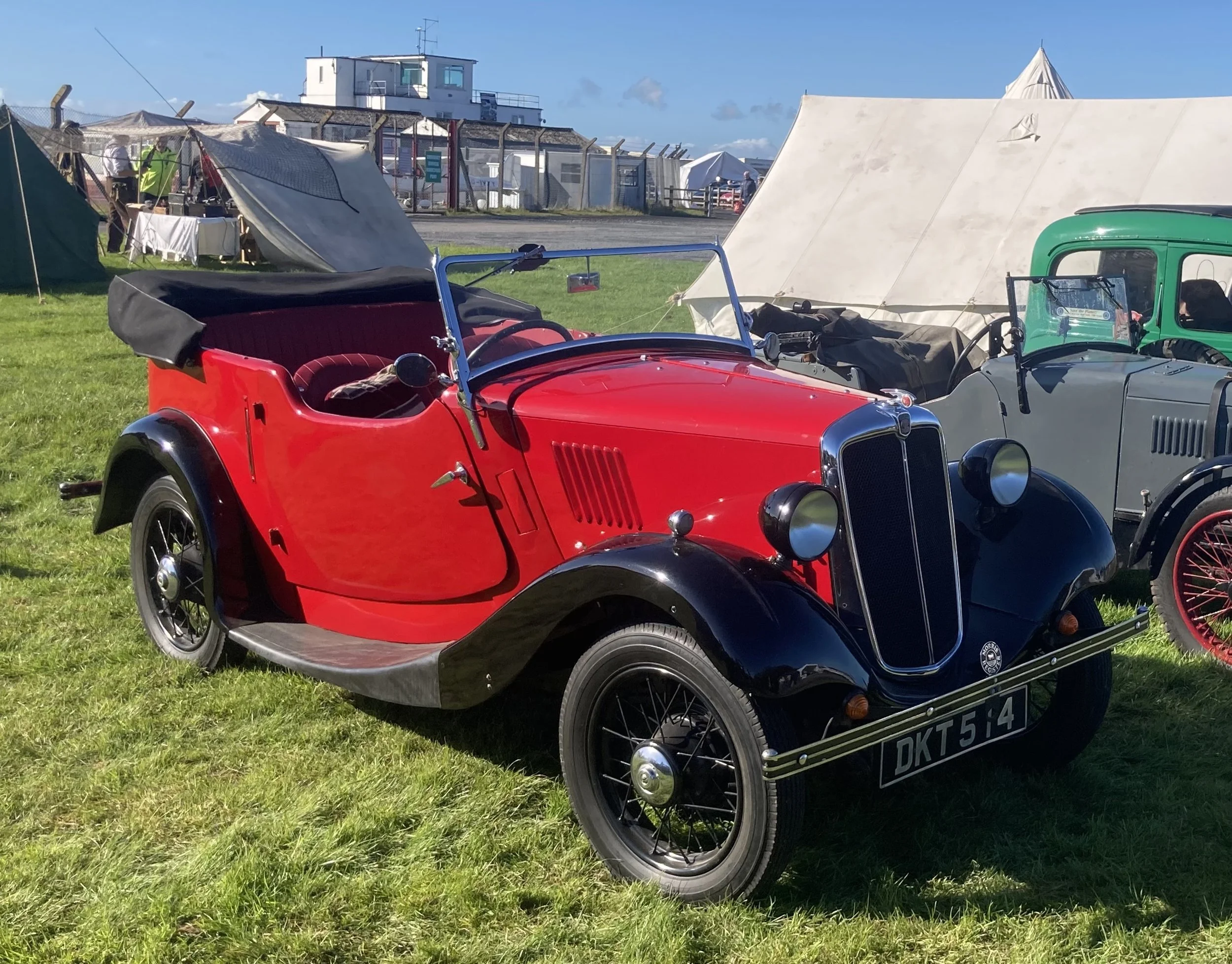
Built in Cowley and registered in March 1937. Series 1 Morris 8 4 seat tourer. Lived most of its life on the south coast of England. 918cc side valve engine with 6 volt electrics.
-
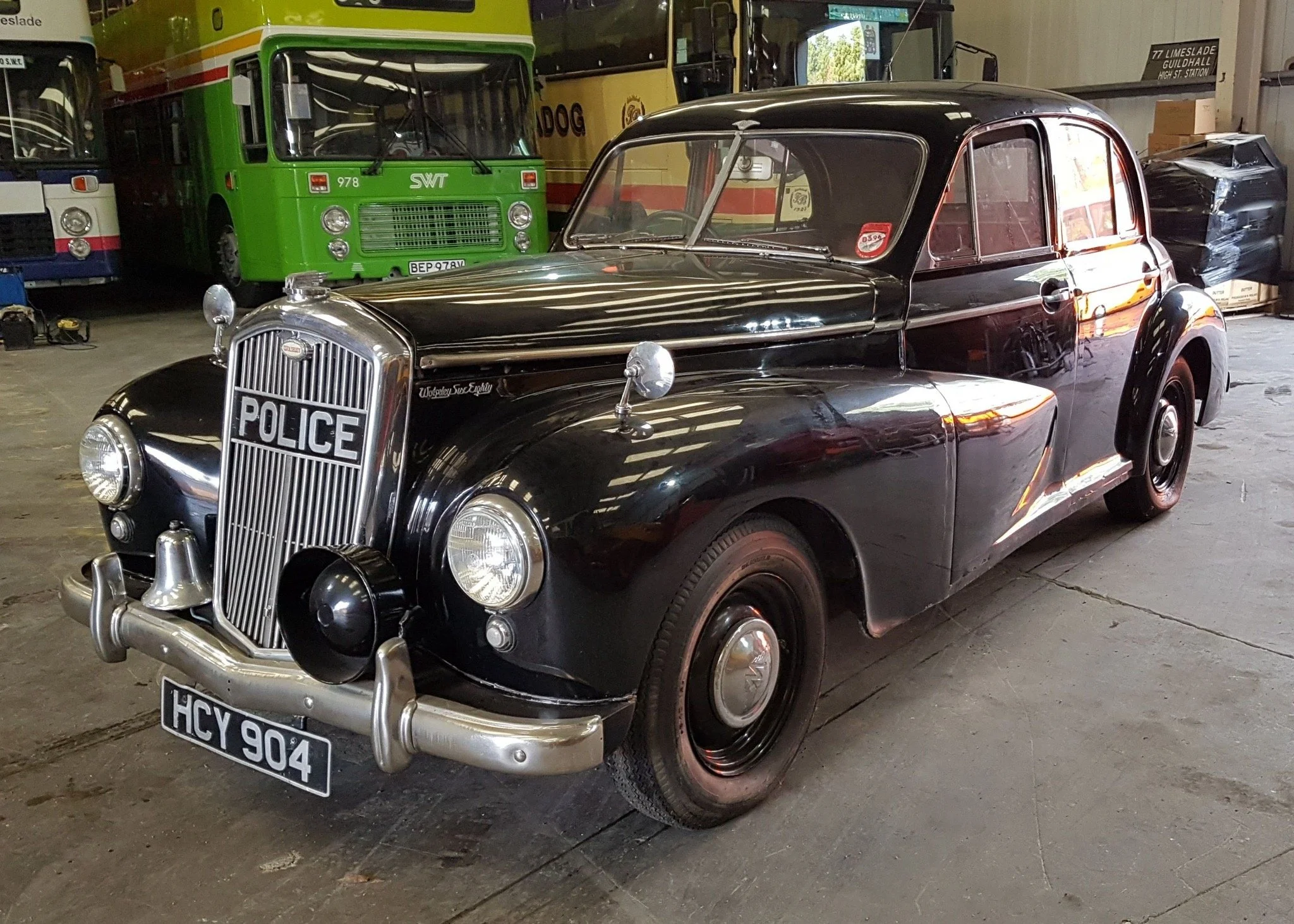
Built in 1951 in Cowley, Wolseley Six Eighty Police Car. Six cylinder 2.2 litre engine. Part of the Swansea Museum collections and on display with us.
-
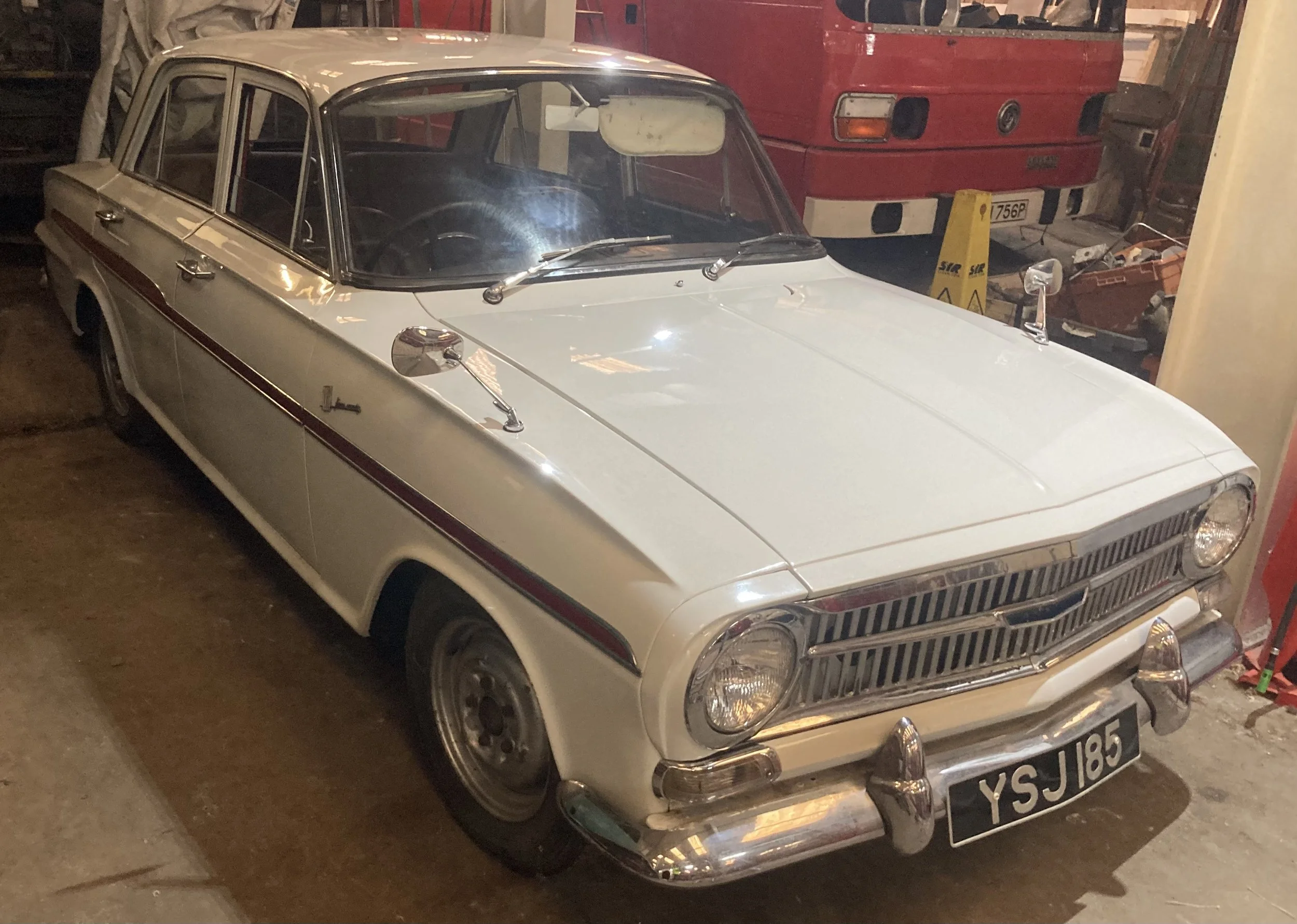
Built in Luton in 1962, Vauxhall VX 4/90. ‘Georgie’ was donated by members of the museum and is currently undergoing work to the car roadworthy again. The VX 4/90 was the sporty version of the Victor FB.
-
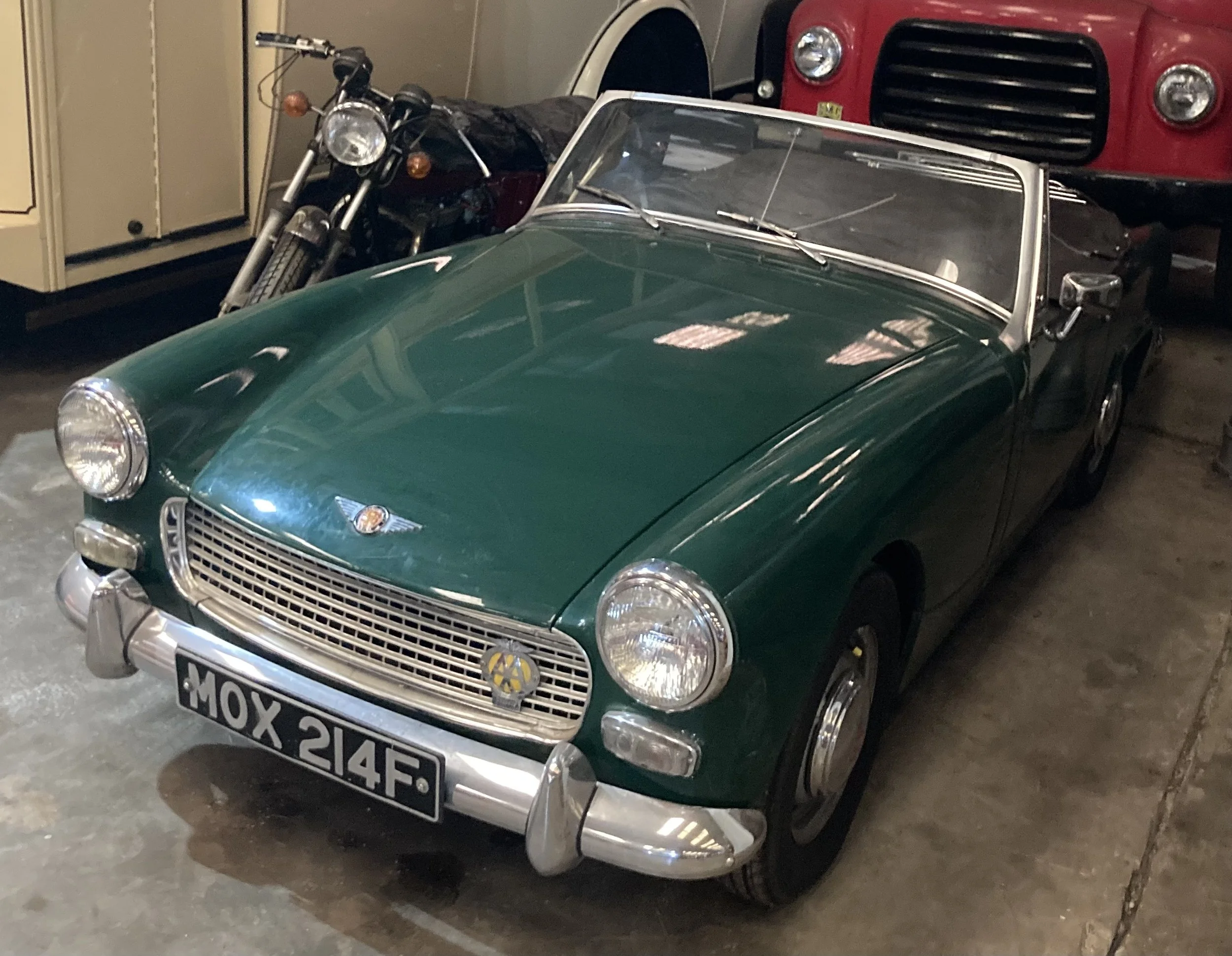
Built in Abingdon in May 1968, Austin Healey Sprite Mark IV. Originally delivered to Oxford but spent a lot of its life in the North of England. 1275cc A series engine. Was purchased by one of our members from Mathewsons of ‘Bangers and Cash’ fame.
-
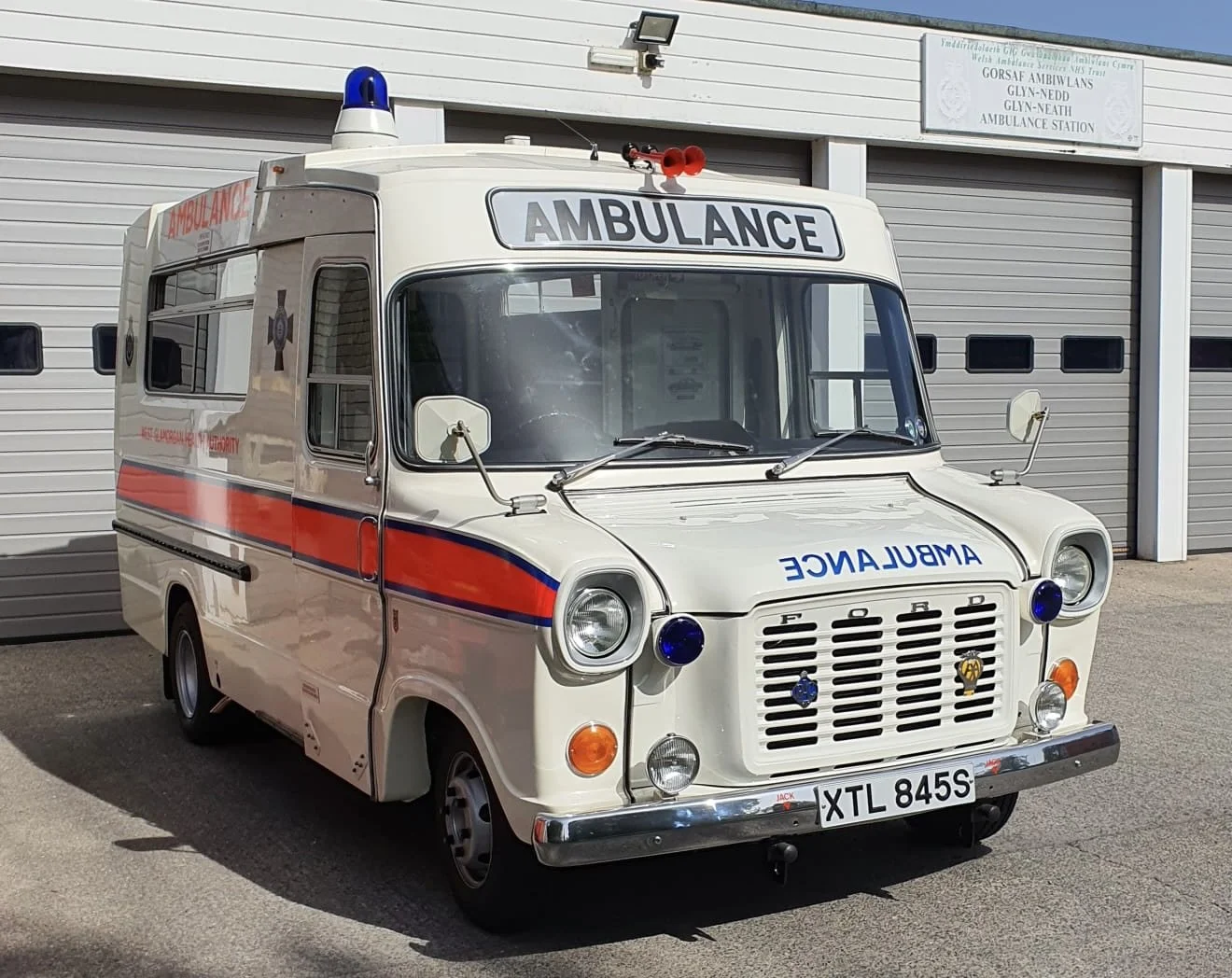
Built in 1977 by Ford with ambulance coachwork completed by Hanlon in Ireland. Ford Transit Mark 1 Ambulance. Subject to an incredible restoration by one of our members.
-
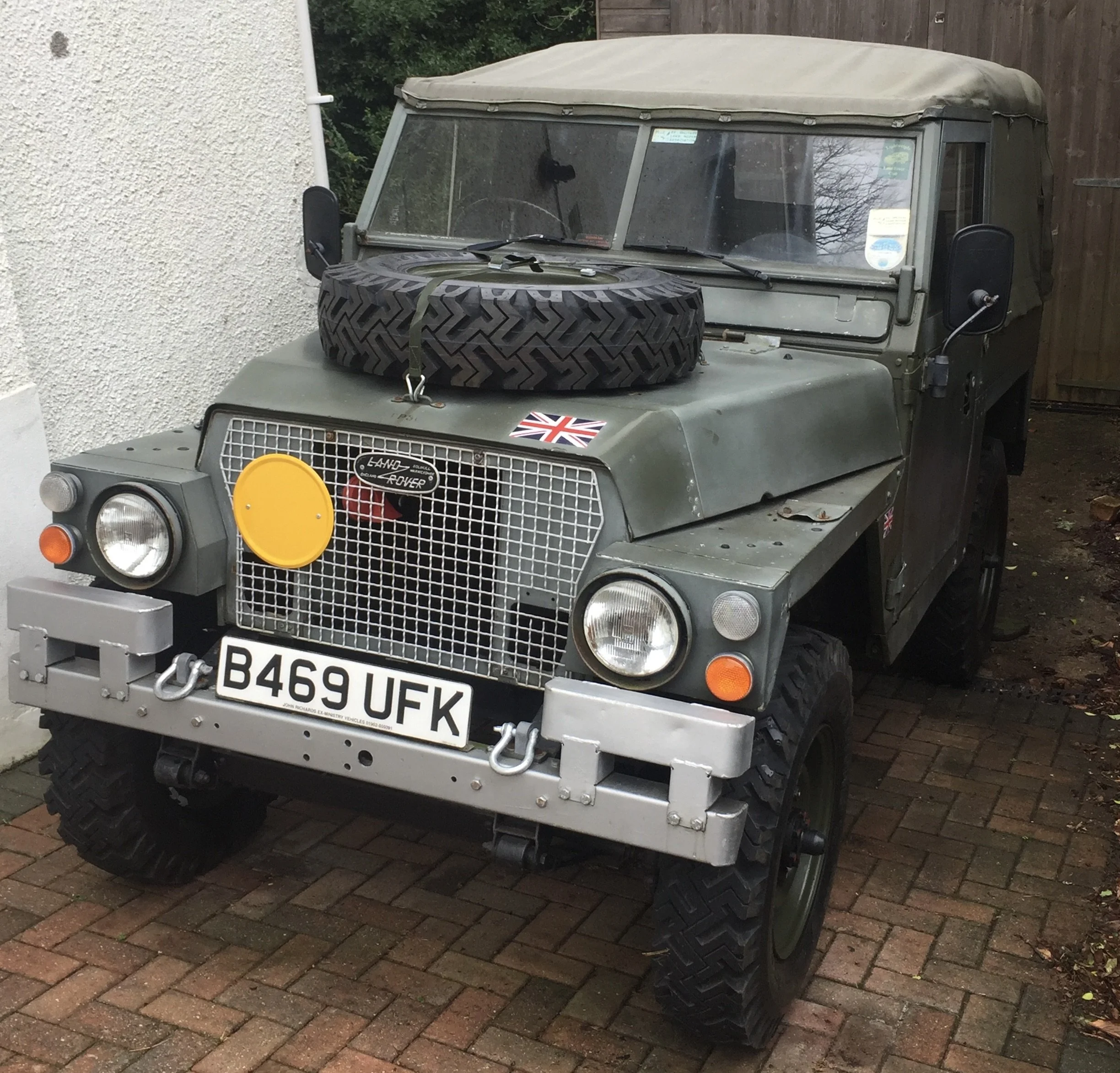
Built in Solihull in November 1984 for the British Army, Land Rover ½ Ton. Usually known as a ‘Lightweight’ Land Rovers they were designed to be air portable. 2.25 lite Petrol Engine with 24 volt electrics Fitted for Radio (FFR) which was demobbed in 1991.
-
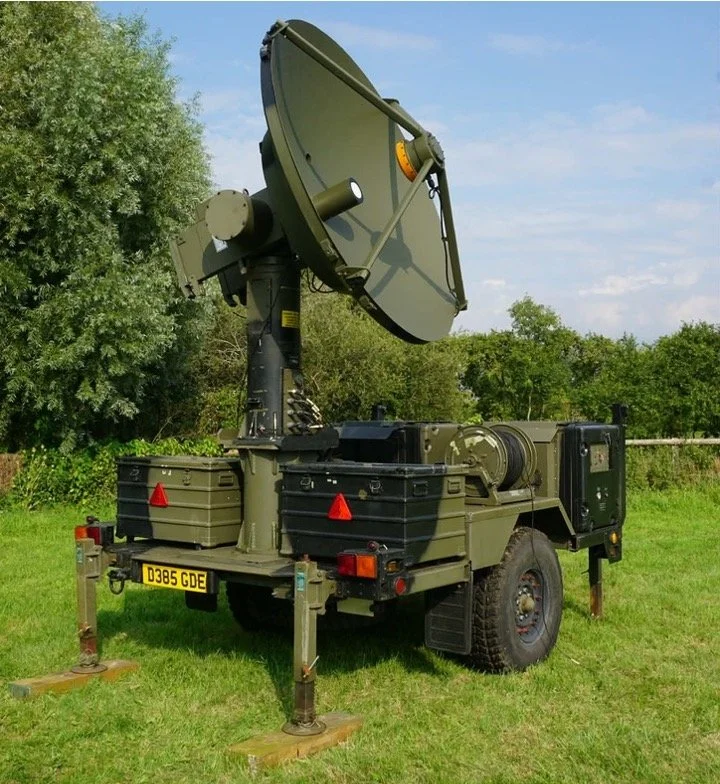
This has to be the most unusual exhibit in the museum. This distinctive trailer on display began its civilian life in 2017, when a museum member acquired it at a Ministry of Defence surplus auction held by Witham Specialist Vehicles. Initially drawn to what he believed was a military satellite dish, he soon discovered that his purchase was something far more specialised and historically significant.
A plate on the front of the trailer identified it as part of the ASTOR (Airborne Stand‑Off Radar) system, a key element of the United Kingdom’s battlefield reconnaissance capability. Developed following a requirement identified by the British Government in the 1980s, ASTOR culminated in 1999 with Raytheon being awarded the contract to deliver a fleet of five surveillance aircraft and their associated ground support systems. The aircraft, later designated Sentinel R1, entered operational service in 2008 with V (AC) Squadron at RAF Waddington.
While much attention has been given to the Sentinel aircraft themselves, the ground stations that supported them are less well known. Two types were produced: the relatively static Operational Level Ground Stations (OLGS), housed in 20‑foot ISO containers, and the more mobile Tactical Ground Stations (TGS). The trailer displayed here formed part of a TGS, designed to operate alongside Pinzgauer 718 6×6 vehicles and specialist equipment in the field.
This particular Data‑Link trailer was used to receive radar imagery transmitted from Sentinel aircraft in flight. Built in the United States, it reflects its origins through its construction and components: an aluminium chassis by Silver Eagle Manufacturing, a precision pedestal and dish by Rotating Precision Mechanisms Inc., and an extensive communications suite supplied by L3 Communications. Despite its lightweight materials, the trailer weighs approximately two tonnes and is equipped with NATO standard towing and braking systems.
Following the retirement and upgrade of the Sentinel system, the Data‑Link trailers were released for disposal in 2016. Recognising that its original military role was no longer practical, he sympathetically adapted the trailer for civilian use, converting it to receive public broadcast satellite television while preserving its external appearance and mechanical integrity.
Sentinel aircraft supported operations in Afghanistan, Libya, Mali and Syria, and were also deployed domestically for flood monitoring over southern England in 2014. This trailer stands as a rare and tangible reminder of the ground‑based technology that underpinned one of the RAF’s most advanced surveillance systems.